Reheating Furnace Fuel Savings Guide: 15% Cut
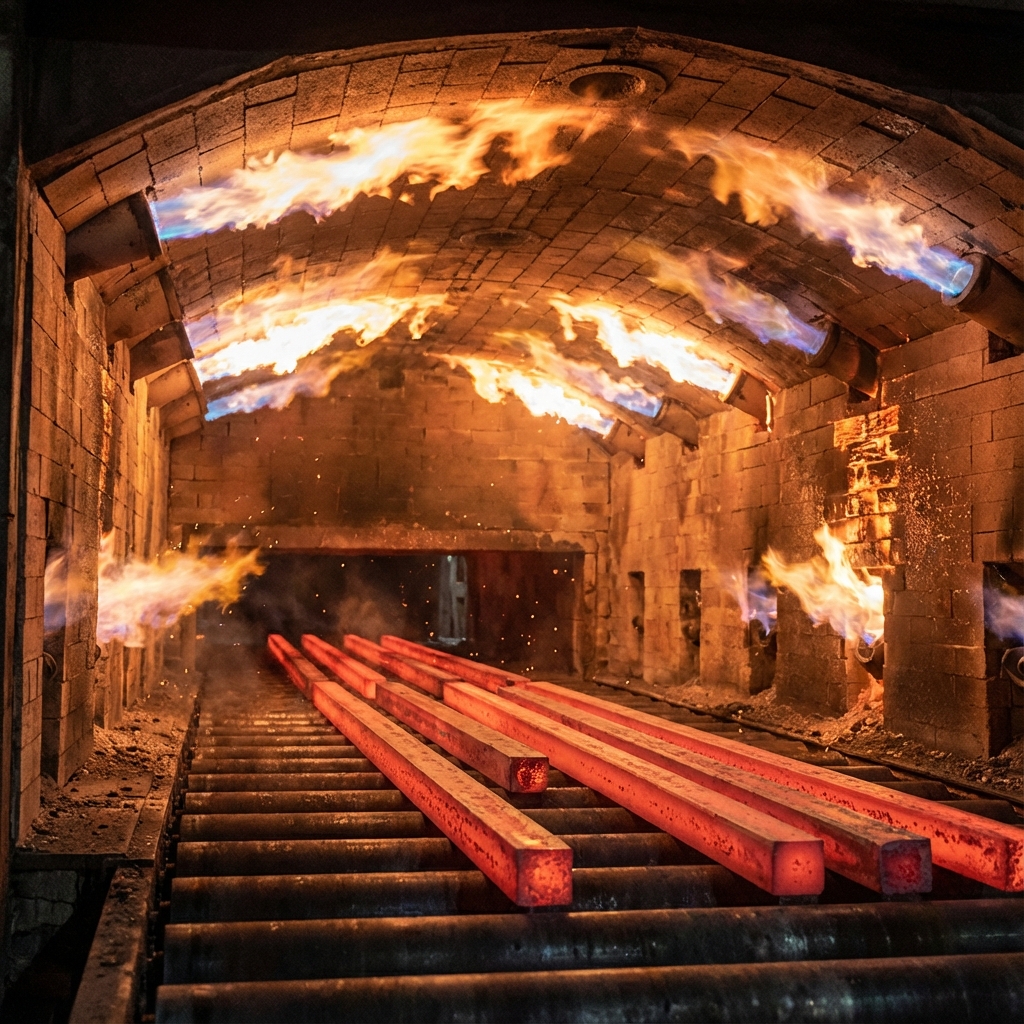
Steel manufacturing remains one of the most energy-intensive industries globally, with the reheating stage often acting as the single largest point of fuel consumption in a rolling mill energy efficiency audit. As global energy prices fluctuate and carbon emission regulations tighten, optimizing steel mill energy consumption is no longer just an operational goal—it is a survival strategy.
For modern steel producers operating walking beam reheating furnaces or walking hearth furnaces, achieving "extreme efficiency" requires moving beyond traditional maintenance. It requires a systematic modernization of the furnace's thermal flow.
See how much you could save using our Energy Steward Model
Based on typical 11% fuel efficiency optimization.
Get Verified ROI AuditReheating Furnace Fuel Savings Calculator & Heat Balance: Want to quantify your plant's savings factor and map where heat is lost? Calculate stack exhaust, shell radiation, and useful steel heat using our free reheating furnace fuel savings calculator →
1. T80 Modernization Roadmap: Reheating Furnace Fuel Savings Benchmarks
Before diving into the technical specifics, let's look at the verified performance benchmarks for technologies listed in the China Iron and Steel Association (CISA) T80 extreme efficiency catalogue.
In thermal engineering calculations, the aggregate reheating furnace fuel savings factor (f_save) is determined by the compound reduction across stack losses, roof heat storage, and combustion excess air. When full-fiber refractory, AI combustion, and high-emissivity coatings are combined, the aggregate fuel savings factor reaches 0.07 to 0.15 (representing a verified 7% to 15% reduction in Specific Fuel Consumption, SFC).
Figure 1: CISA T80 certification documenting energy-saving implementation benchmarks
| Technology | Typical Fuel Saving | Payback Period | T80 Listed | Primary Benefit |
|---|---|---|---|---|
| Full-Fiber Roof | >10% | 12-18 months | ✅ | Reduced thermal inertia |
| Smart Combustion | >5% | 6-12 months | ✅ | Optimized air-fuel ratio |
| High-E Coatings | 3-5% | 6 months | ✅ | Enhanced radiant transfer |
| Intelligent Reheating | 2-4% | 12 months | ✅ | Scale loss reduction |
| Energy Steward (Combined) | 7-15% | 12-24 months | ✅ | Total operational optimization |
2. Full-Fiber Furnace Roof Modernization
The furnace roof is often the "silent thief" of energy. Traditional refractory roofs, made of heavy castables or bricks, possess massive thermal inertia. This means a significant portion of the initial fuel burned during startup is used simply to heat the roof structure itself, rather than the steel billets.
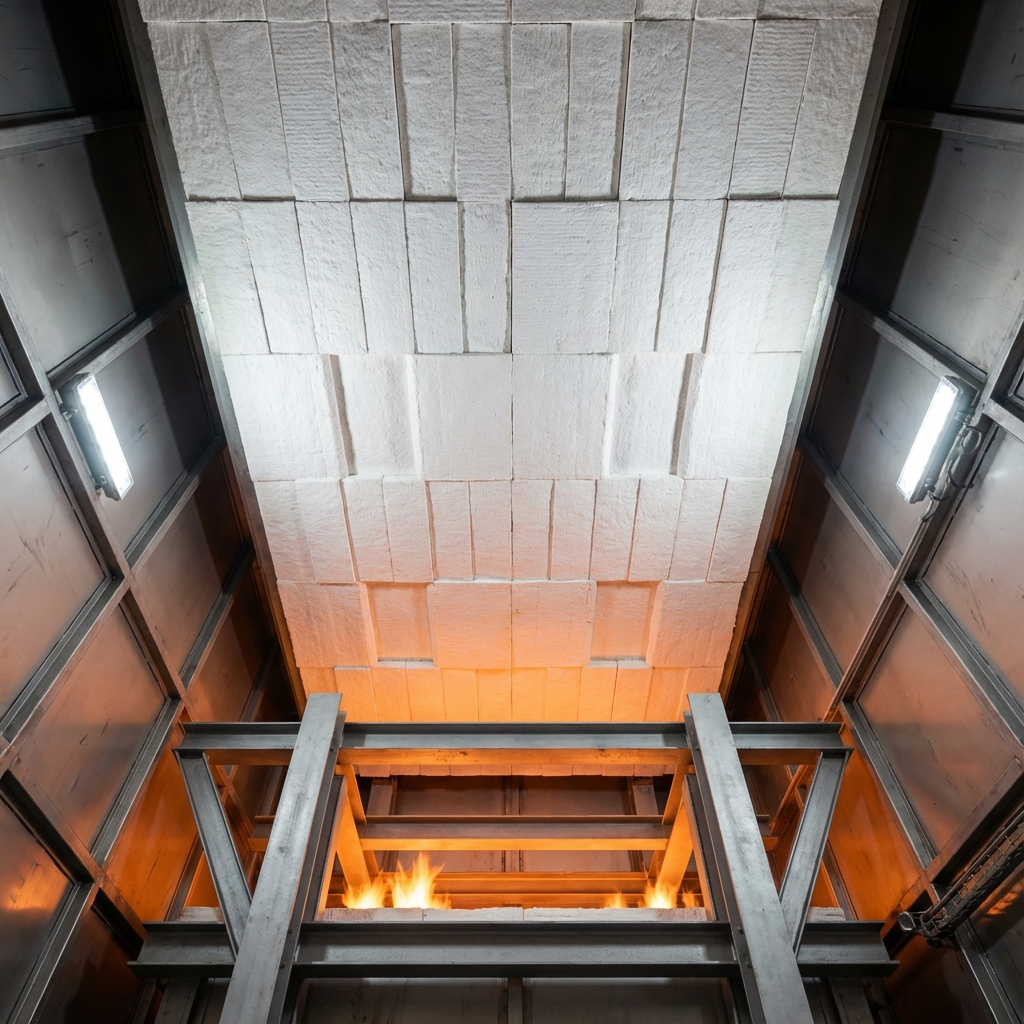
Figure 2: Pre-assembled ceramic fiber modules being installed on a walking beam reheating furnace
The Problem: Thermal Drag in Legacy Furnaces
Legacy roofs store heat like a battery, but a very inefficient one. When the furnace is idling or ramping up, these heavy materials absorb energy, leading to slow response times and massive heat loss through the shell. A 20-to-25-year-old furnace operating with eroded bricks often loses 15-20% of burner output purely through structural shell radiation. Furthermore, traditional castables crack under thermal shock during mill delays, causing frequent unplanned shutdowns.
The Principle: Low-Mass Insulation
By replacing castable roofs with factory-pre-assembled ceramic fiber modules, we fundamentally change the furnace lining insulation profile. Ceramic fibers have approximately 1/10th the density of traditional refractories. This reduces the heat storage of the roof by up to 60%.
Why are ceramic fiber modules better than traditional refractory roofs? Because they reduce thermal inertia by up to 60%, allowing for rapid startup and shutdown cycles. Unlike bricks, fibers do not crack under thermal shock, which significantly extends the service life of the roof to over 10 years while practically eliminating heat-up fuel waste.
"After implementing the full-fiber roof at Jinnan Steel, we observed a 12.3% reduction in gas consumption within the first quarter. The rapid thermal response allowed the mill to adjust production pacing without the usual fuel penalty." — Dr. Chen Wei, Chief Thermal Engineer, South Technology
3. AI-Driven Smart Combustion Systems
Even the best-insulated furnace will waste fuel if the regenerative burner system isn't perfectly tuned. Traditional combustion control relies on manual setpoints or simple logic loops that fail to account for changes in gas caloric value or ambient air temperature.
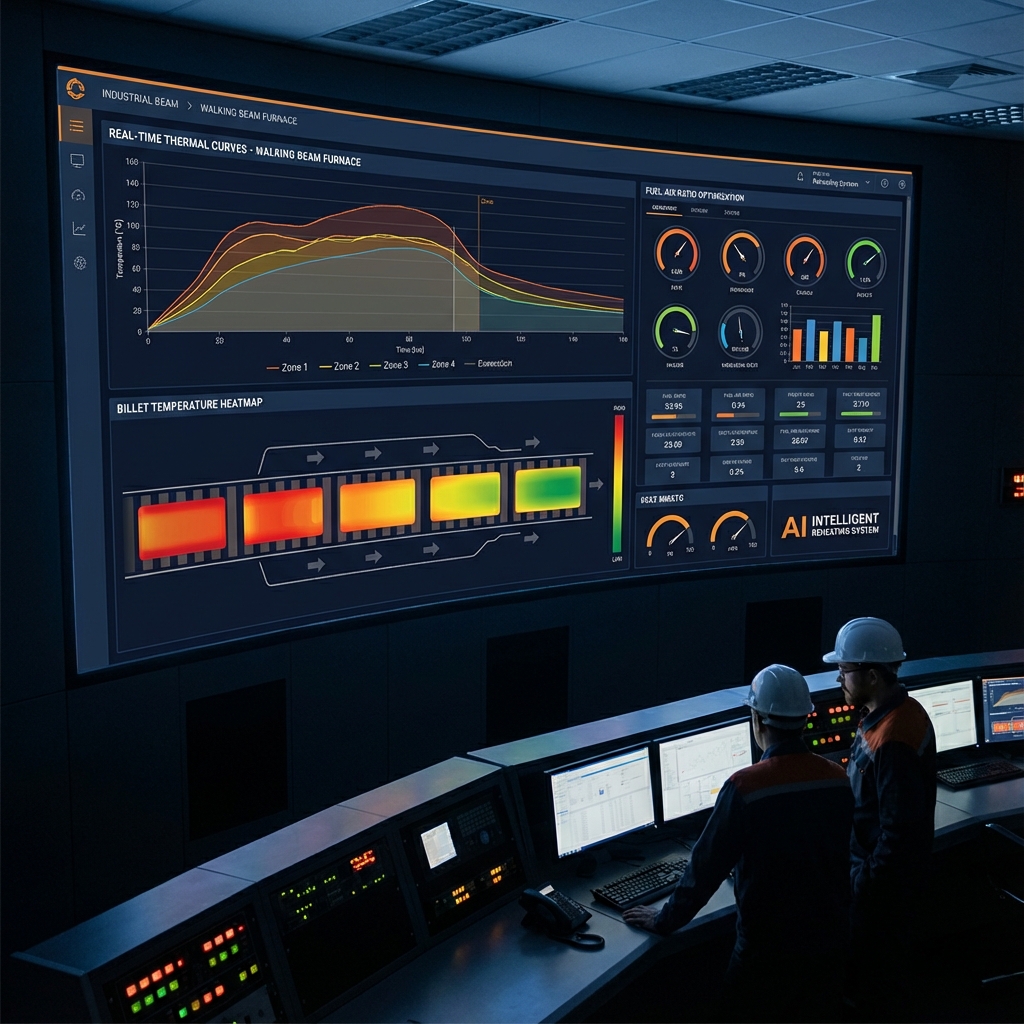
Figure 3: Real-time digital dashboard of an AI-driven combustion control system showing zone-by-zone efficiency data
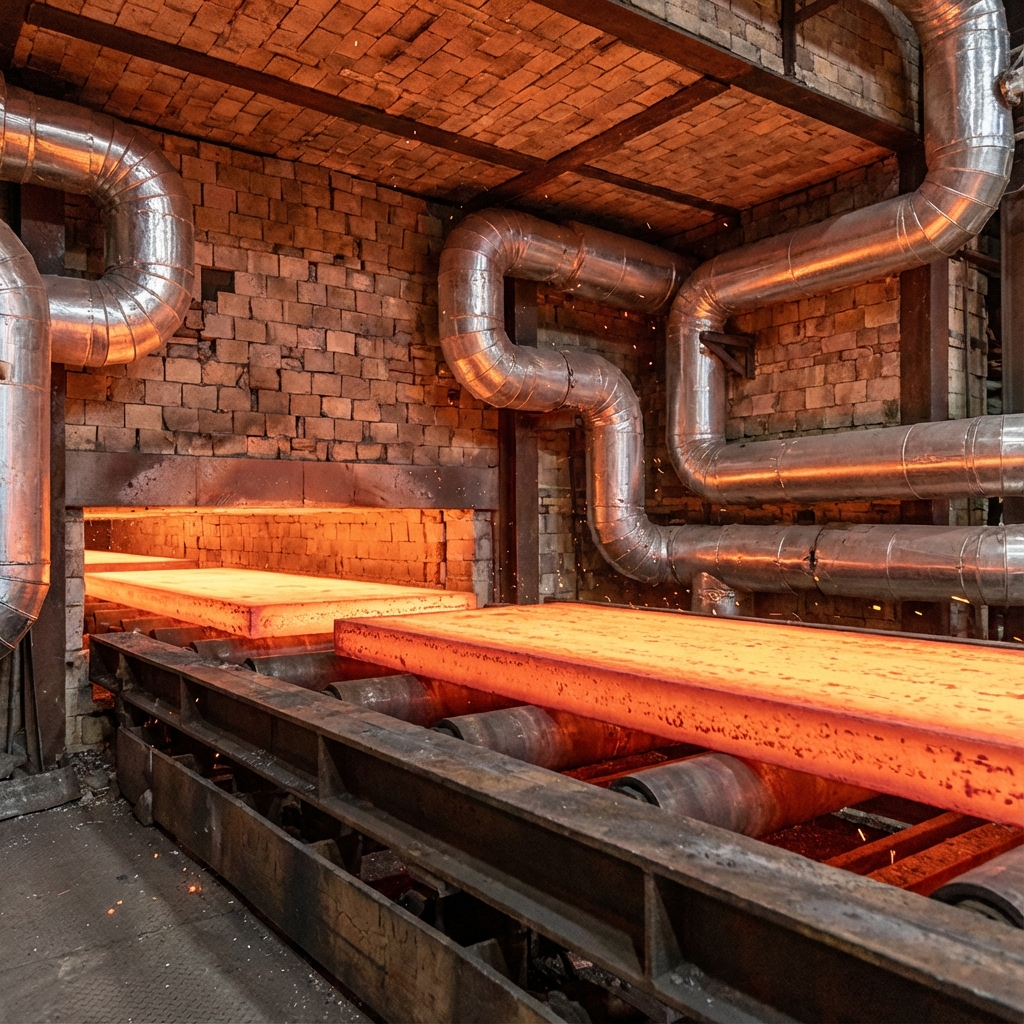
Figure 4: High-contrast thermal imaging and monitoring of the reheating process
The Problem: Combustion Lag
In many mills, burners are over-supplied with air to ensure "safe" combustion. This excess air carries heat straight out the flue, wasting 2-5% of total fuel. Conversely, insufficient air leads to incomplete combustion and CO emissions.
The Principle: Predictive Feedback Loops
Our AI-driven discharge temperature control system uses a mechanism-based model combined with self-learning neural networks. It tracks every billet's position and predicts its core temperature in real-time. The AI then pre-adjusts the air-fuel ratio at each burner zone before the temperature even begins to drift. By narrowing the discharge temperature window and implementing digital twins, we ensure that no energy is wasted on overheating, while also protecting the steel from excessive oxidation.
How does AI combustion improve on traditional PLC control? Traditional PLCs are reactive—they wait for a temperature drop before increasing fuel. Our AI is proactive; it simulates the thermal journey and adjusts parameters based on incoming material dimensions and rolling mill demand, maintaining a "narrow window" of peak efficiency 24/7.
4. High-Emissivity (High-E) Refractory Coatings
In an industrial steel reheating furnace operating at 1200°C+, over 90% of heat transfer to the steel billet occurs via radiation. However, standard refractory surfaces are not optimized for radiant flux; they absorb and slowly re-radiate energy.
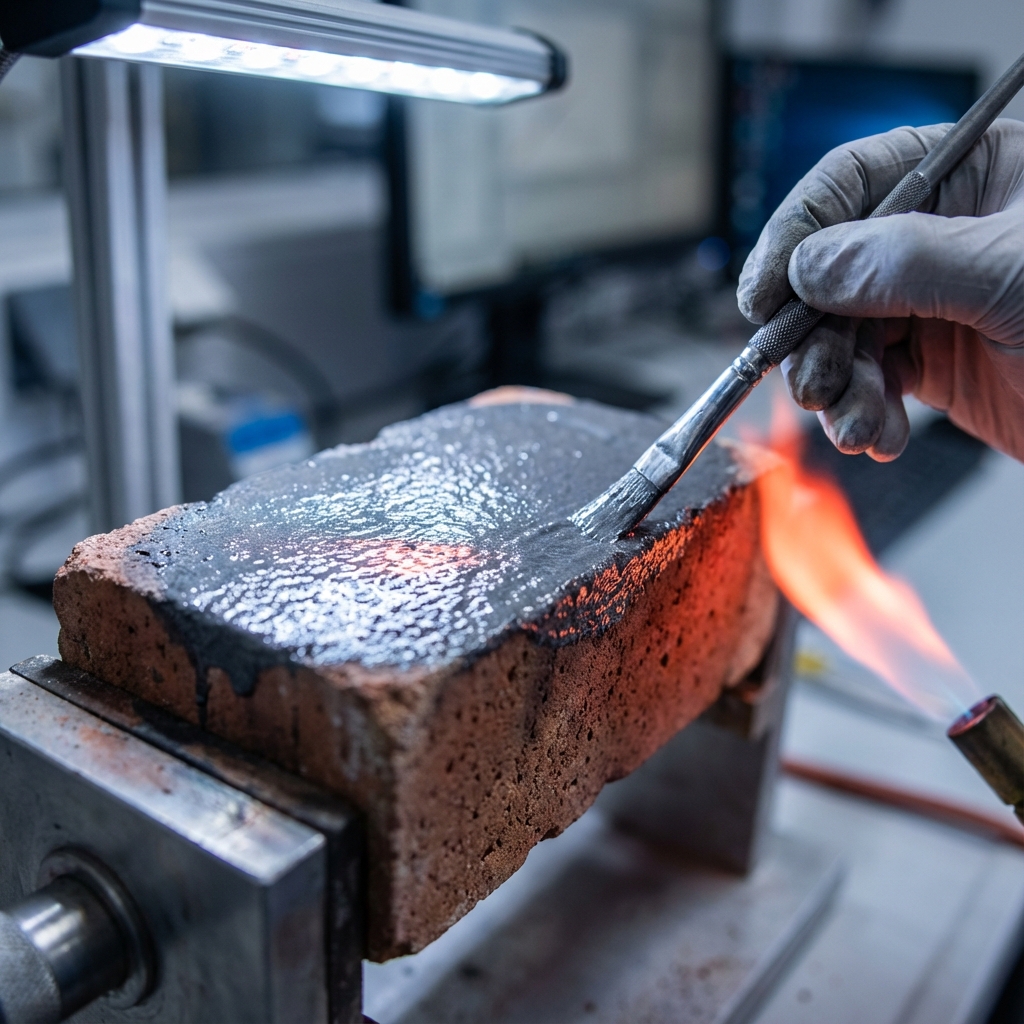
Figure 5: Interior of a reheating furnace coated with high-emissivity refractory materials to maximize heat transfer to the steel
The Problem: Radiant Bottlenecks
Standard linings have a decreasing emissivity at high temperatures. As the furnace ages, the walls become less effective at "bouncing" heat back onto the product, requiring higher burner intensities to maintain production speed.
The Principle: Surface Physics Optimization
By applying high-emissivity non-ceramic functional coatings, we transform the interior "skin" of the furnace. These coatings have an emissivity rating of >0.92 even at 1300°C. This boosts the radiant heat flux from the walls to the steel by 10-15%, effectively shortening the heating cycle.
Can coatings really withstand the harsh furnace environment? Yes. Modern T80-verified high-E coatings use a unique molecular bonding formula that prevents the peeling and delamination common in older "energy-saving paints." They are designed to last for multiple major shutdown cycles, providing a payback period of often less than 6 months.
5. Intelligent Reheating & Scale Loss Reduction
Energy efficiency isn't just about gas; it's about metal. In a typical reheating process, 0.8% to 1.5% of the steel weight is lost to oxidation, forming "scale." This is literally money turning into dust.
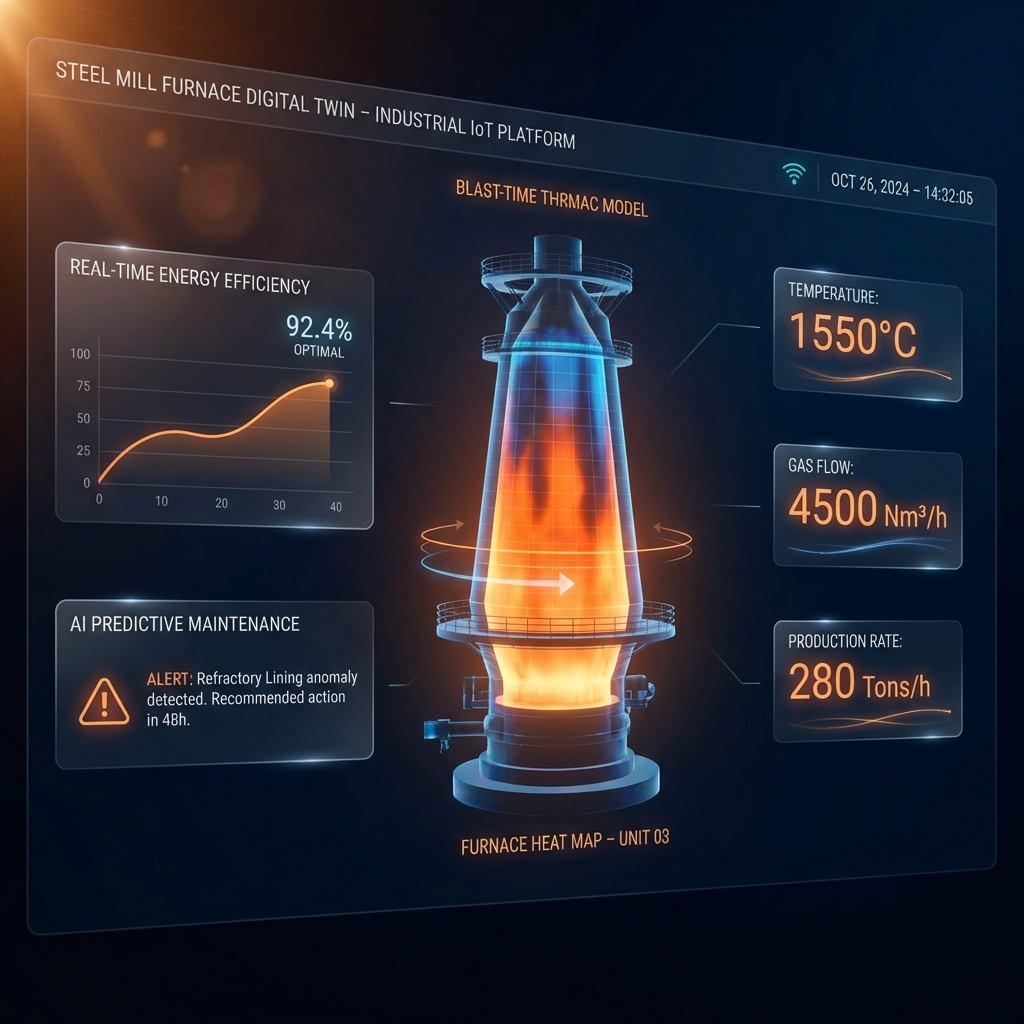
Figure 6: Billet thermal mapping and tracking system allowing for sub-millimeter scale loss management and yield improvement
The Problem: Excessive Oxidation
High temperatures combined with excess oxygen in the furnace atmosphere accelerate the oxidation reaction. Many mills sacrifice yield for the sake of "faster" heating, unaware of the massive financial impact of 0.5% extra scale loss.
The Principle: Atmosphere Composition Tuning
Through billet heating optimization and precise furnace thermal management, we maintain the furnace atmosphere at the stoichiometric limit. By ensuring a slightly reducing or neutral atmosphere in the high-heat zones, we significantly inhibit scale formation.
"By narrowing the discharge temperature window and optimizing the atmosphere, we helped a bar mill client reduce their relative oxidation loss by 11.5%, which translated to an annual yield gain worth over $400,000." — Dr. Chen Wei, Chief Thermal Engineer, South Technology
6. The Energy Steward Service Model (Zero CAPEX)
Definition
What is the Energy Steward Model?
The Energy Steward Model is a Zero-CAPEX performance-based service pioneered by EcoReheating (South Technology). We cover all retrofit investment costs upfront — including equipment, installation, and AI systems — and receive compensation only from verified, measured fuel savings. If we don't save you money, you don't pay. Proven across 300+ production lines.
The biggest barrier to industrial furnace optimization is often the initial capital expenditure (CAPEX). Steel mills have tight budgets and long upgrade cycles.
Reheating Furnace Fuel Savings Cost: Zero Upfront CAPEX
A frequent question evaluated by plant finance directors is: What is the actual reheating furnace fuel savings cost? Under conventional equipment procurement, retrofitting an entire walking beam reheating furnace—including full-fiber refractory modules, AI control valves, and high-emissivity coating—demands a capital expenditure of $250,000 to $550,000.
Under the Energy Steward Model, the upfront cost to the steel mill is $0. South Technology funds 100% of engineering, hardware, and installation. Repayment is structured exclusively as a negotiated share of measured, IPMVP-verified fuel cost reductions over 24 to 36 months.
How It Works: 3-Step Performance Delivery
- Baseline Thermal Audit: We establish your plant's specific fuel consumption (SFC) baseline using verified production logs and flue gas analysis.
- Turnkey Implementation: We install the T80-listed hardware and software during scheduled maintenance shutdowns—zero unplanned mill stoppages.
- Verified Fuel Savings: We share in a agreed percentage of the verified fuel bill reductions over a contract period. If savings fall below target, you owe nothing.
"Our interests are 100% aligned with the mill manager. If the furnace doesn't save fuel, we don't get paid. This 'Zero CAPEX' approach has allowed us to modernize over 300 production lines where traditional models would have failed due to budget constraints."
7. Turnkey Implementation: Your Reheating Furnace Fuel Savings Plan
The transition to a low-carbon steel industry requires more than incremental changes. It requires a structured, performance-backed roadmap. EcoReheating delivers a turnkey reheating furnace fuel savings plan engineered under CISA T80 benchmarks, integrating low-mass ceramic fiber roofs, closed-loop AI combustion, and nano-coatings backed by the proven track record of South Technology.
By deploying this customized reheating furnace fuel savings plan, steelmakers aren't just cutting natural gas bills by 7% to 15%—they are safeguarding operating margins against soaring carbon tariffs.
Turnkey Implementation Matrix
T80 Reheating Furnace Modernization Timeline
Implementation is engineered to coincide strictly with scheduled plant shutdown windows, eliminating unbudgeted downtime.
Baseline Thermal Audit
Flue gas oxygen profiling, infrared shell mapping, and IPMVP baseline energy balance calculation.
Turnkey Retrofit Installation
Modular full-fiber roof replacement, high-E coating spray application, and AI burner actuator commissioning.
Savings Verification & M&V
Monthly IPMVP fuel consumption verification. Performance fees strictly tied to measured fuel bill reductions.
Request a Free Furnace Thermal Audit →
Zero financial commitment · Verified by CISA T80 benchmarks
See How Much Your Mill Can Save
Every steel mill is different. Get a personalized Furnace Efficiency Report based on your specific production capacity, furnace type, and fuel mix — and see exactly how much of the 7-15% fuel savings applies to your operation.
Get Your Free Furnace Efficiency Report →
No commitment required. Our engineers will analyze your baseline data and deliver a detailed savings projection within 5 business days.
See how much you could save using our Energy Steward Model
Based on typical 11% fuel efficiency optimization.
Get Verified ROI AuditFrequently Asked Questions
Q.How much fuel can a steel reheating furnace save with T80 technologies?
Steel mills can typically achieve 7-15% fuel savings by implementing CISA T80-listed technologies including full-fiber roofs, smart combustion control, and high-emissivity coatings.
Q.How to calculate reheating furnace capacity?
Reheating furnace capacity (in tonnes per hour, t/h) is calculated using the effective hearth area multiplied by the specific hearth loading rate divided by 1,000: Capacity (t/h) = [Effective Hearth Area (m²) × Specific Hearth Loading (kg/m²·h)] / 1,000. Top-fired pusher furnaces typically range from 350 to 500 kg/(m²·h), while modern top-and-bottom fired walking beam reheating furnaces achieve 600 to 750 kg/(m²·h).
Q.How efficient is a 25 year old reheating furnace?
A 25 year old industrial reheating furnace typically operates at only 25% to 35% thermal efficiency due to massive refractory heat inertia, structural thermal leakage, and manual air-fuel ratio lag. Upgrading with modular full-fiber roofs and AI combustion control lifts thermal efficiency to 55%–65%, reducing fuel bills by 7% to 15%.
Q.What is the most efficient fuel for an industrial reheating furnace?
In modern rolling mills, natural gas provides the highest thermal intensity and cleanest combustion. In integrated steel plants, byproduct gases (Blast Furnace Gas and Coke Oven Gas) achieve superior economic efficiency when paired with regenerative burners. Note that high-temperature industrial steel reheating (1,200°C+) requires specialized metallurgical combustion, distinct from residential heating furnaces.
Q.What is the typical reheating furnace fuel savings cost?
Traditional reheating furnace modernization requires $250,000 to $550,000 in upfront CAPEX. Under the Zero CAPEX Energy Steward model, the upfront cost to the mill is $0. South Technology funds 100% of the retrofit, with compensation derived strictly from a share of verified, measured fuel savings.
Q.What is the Energy Steward model for furnace optimization?
The Energy Steward model is a Zero CAPEX performance-based contract where EcoReheating invests in the technology and equipment, and compensation is tied directly to verified energy savings.
Q.What is the typical payback period for reheating furnace upgrades?
Under the Energy Steward model, the typical ROI timeframe is 1-2 years, with some individual technologies like high-emissivity coatings paying back within 6 months.
Dr. Chen Wei
Chief Thermal Engineer, South Technology
Dr. Chen has over 15 years of experience in industrial furnace optimization, leading the implementation of T80-certified technologies across 300+ production lines globally.